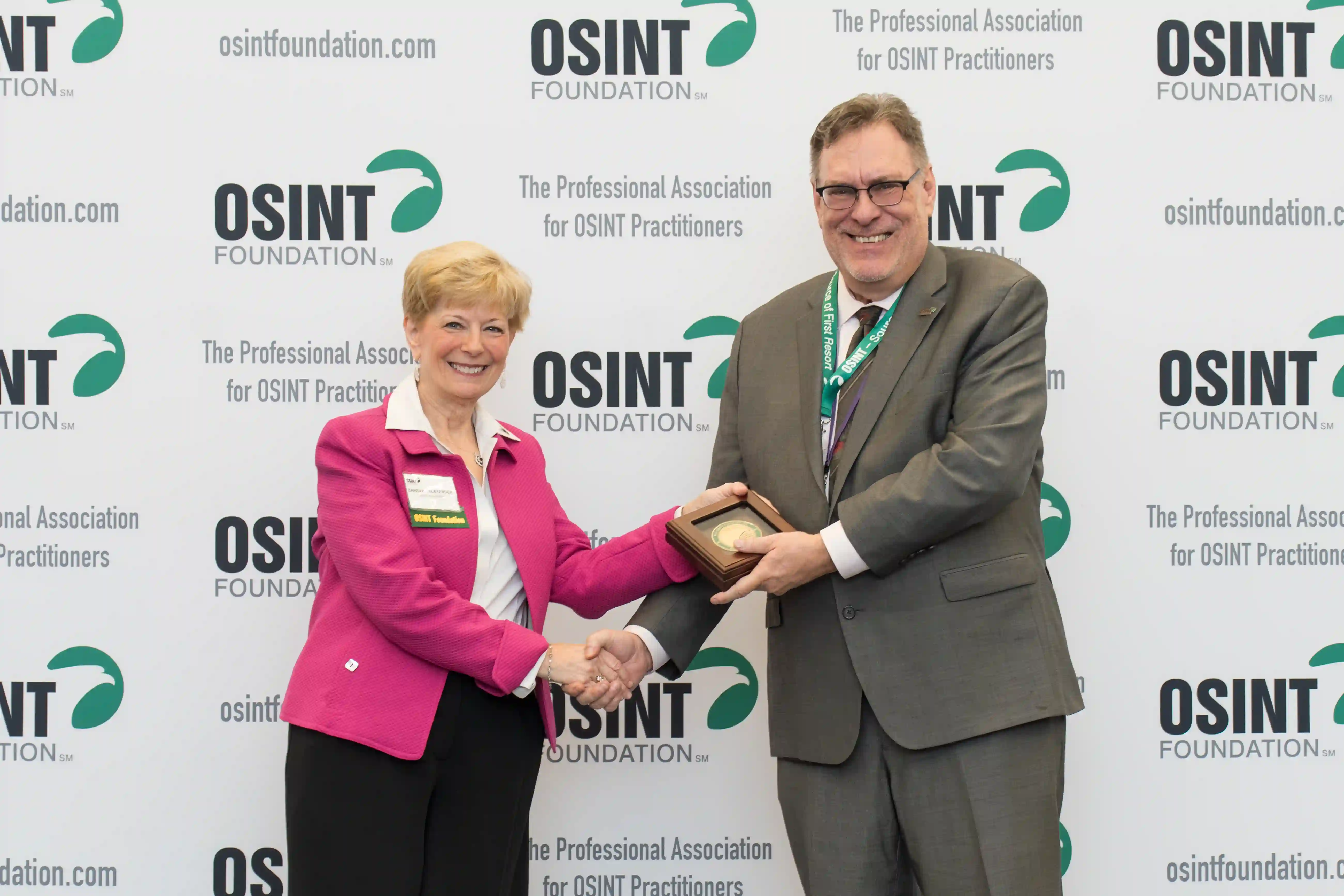
Step and repeat backgrounds are a backdrop that provides an area for people to take photos. Sometimes they are manned with a photographer, and sometimes it is an unmanned station (often with no lighting or a ring light or the light from an iPad or phone). The background has a logo of the company providing the space, the event, or a sponsor’s branding.
They can be used for red carpet events, company parties, award ceremonies, conferences, and product launches. The goal is to get images of participants while also showcasing the logo or branding of an event or business for added publicity.
For conferences and events, the background can be the branding of the event, or the logo(s) of the sponsors of the event. For company parties and events, the company logo is usually used. Since you expect people to be standing in front of the background, the logos should be large enough to be seen clearly and repeating so that you can always see at least 1 full version of the logo clearly.
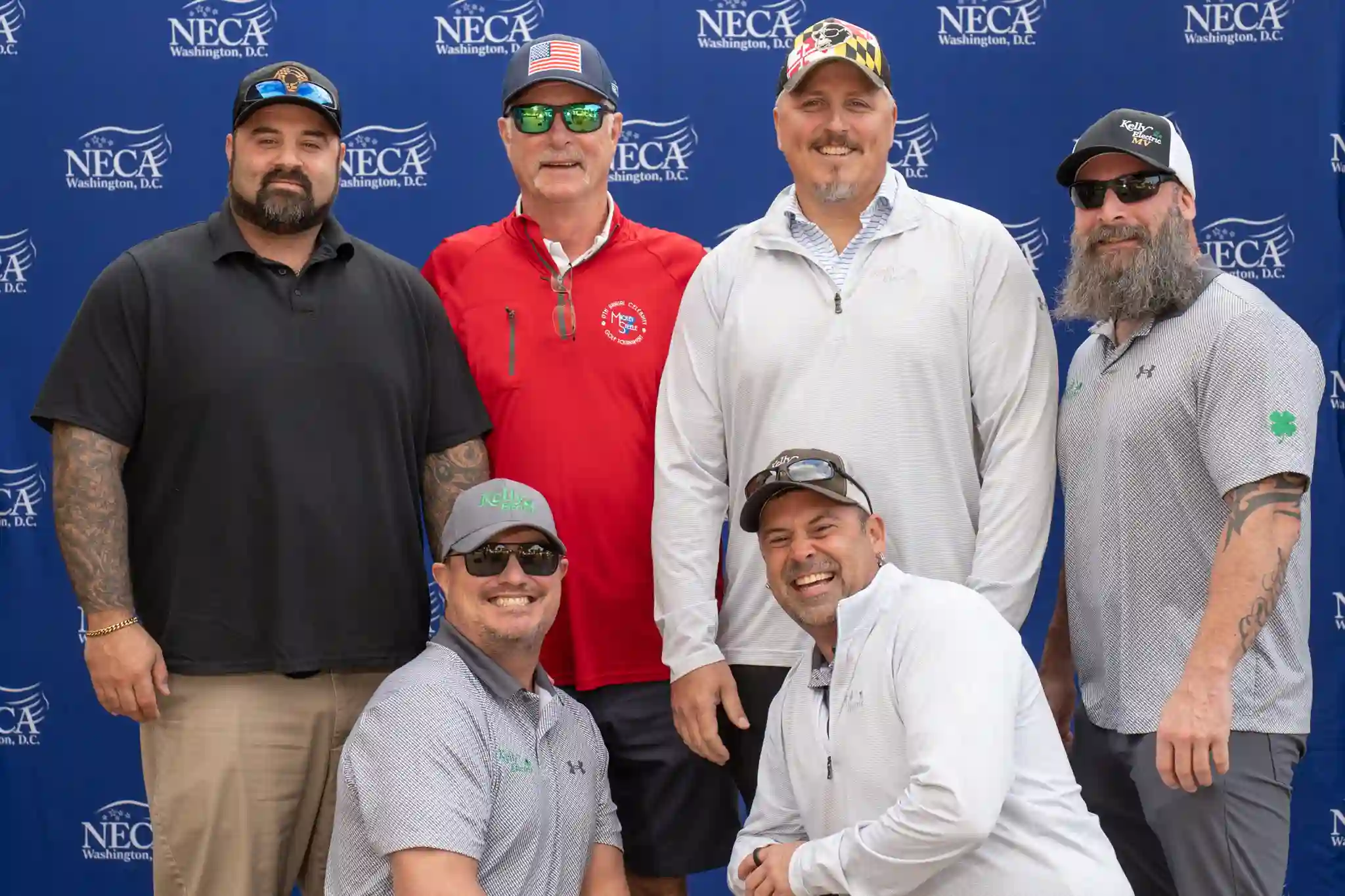
Flat, even lighting works well in step and repeat areas. You want the background to be seen clearly and all the subjects to be well lit. If you have multiple people in the photo, you want the most even lighting so that everyone looks great. It’s best if you work with your photographer to figure out the best location for that lighting. You also want to consider foot traffic and efficient flow. Different locations will require different lighting. I have found the simplest and most efficient lighting combination is when I have a large white wall and ceiling above and behind me so that I can use a strong on-camera flash to bounce the light behind me. This keeps me mobile and small spaces uncluttered. However, off camera lighting is also valuable, especially if you have a lot of space and nowhere to bounce light.
If you are not using a photographer, and you have access to natural light, the best lighting will be to find an area facing large windows that do not have direct sunlight coming through. Indoor lights cast unnatural colors and are usually only from directly above, causing everyone to have dark shadows and raccoon eyes. However, natural light is only useful when it’s not overcast or after sunset.
Outdoors, do everything you can to avoid direct light. The north side of a building or a well shaded area works, although you should also consider the subjects should be facing open skies in front of them, tie down points needed, and foot traffic flow. When outdoors, I spend a lot of time before setting up to determine the best location to set up - it can make or break your images. If you are photographing an event where caps are often worn (like a golf tournament), a fill light will help light up faces under caps.
Lighting from mobile devices are not strong enough to light subjects from a proper distance, and direct light is harsh on faces, causing shadows and accentuating wrinkles. Rely on these only if you really don’t care about the quality of the images.
I often have gaffer tape marking a spot or line on the floor for people to stand on. This is because you want them to be close enough to the background so that it is in focus. The farther they are from the background, the less in focus the logos will be. Of course, they don’t have to be tack sharp like the people should be, but at least readable. However, if they are too close to the background (and most people automatically go straight to the background), they will cause shadows on the background (large, even lighting drastically reduces these shadows). Since many of these events are fast paced, having a marker on the floor helps everyone position themselves in the ideal location.
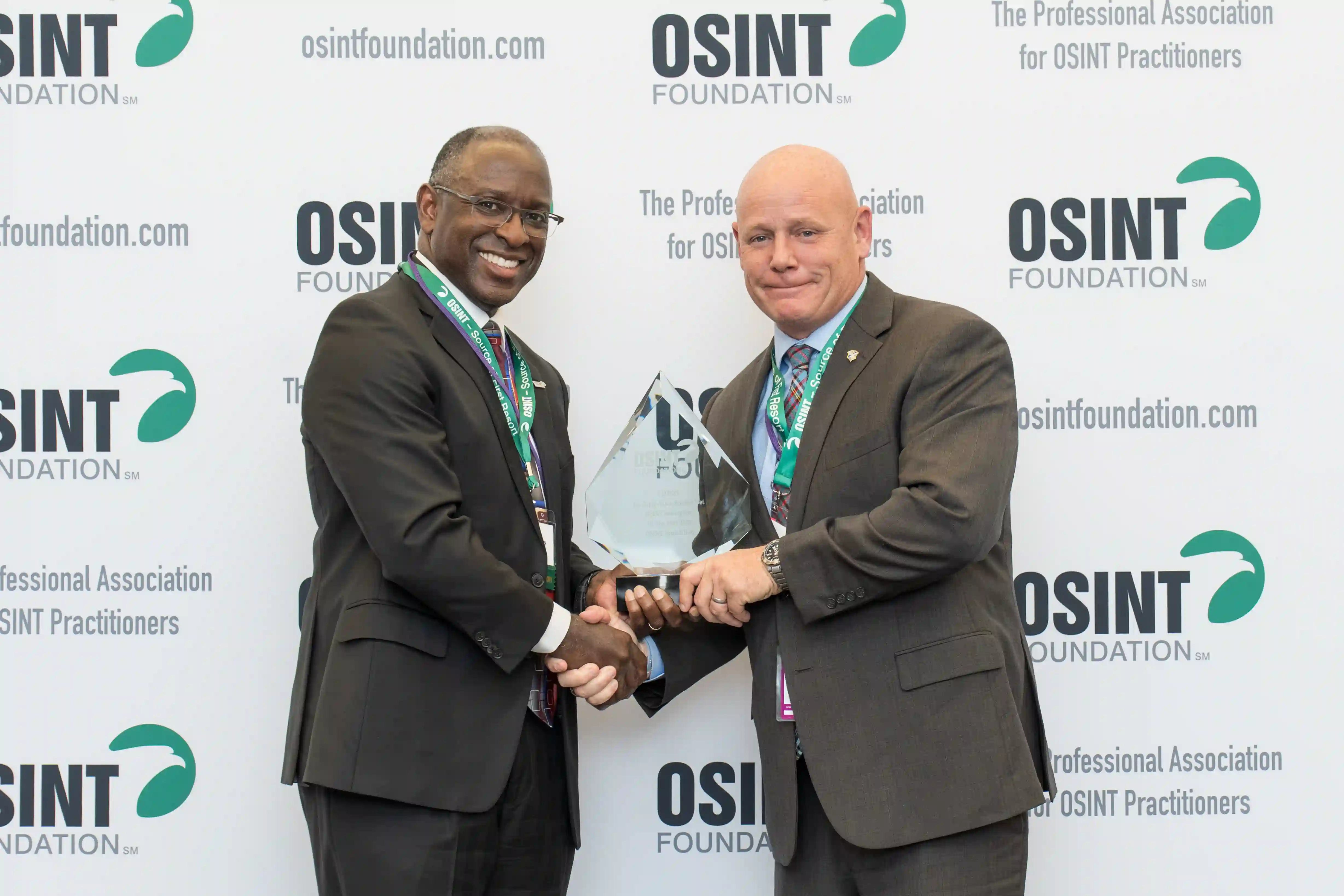
If you are photographing a step and repeat area during an award ceremony where you can’t interrupt to position and pose the subjects, communicate to those giving the award to make sure to step to the center of the background. Use gaffer tape to mark that spot to make it easier for them. It’ll ruin the effect if they’re only partly in front of the backdrop, but that's not top of mind in the middle of a ceremony.
Order the largest background you can get. Sometimes organizations try to get away with small backgrounds that hardly fit one person. Seeing the edges of the background greatly reduces the visual impact of the background. Even if you think only one person will use it at a time, every time we’ve photographed a step and repeat, groups want to be photographed together.
If you would like to make your step and repeat even larger, hire a balloon artist to add a border around your background. This adds even more fun to the background, hides all the edges, and gives you just a bit more wiggle room.

Try to get a free standing step and repeat background, with its own lightweight but strong frame, that quickly pops up for easy setup and tears down quickly into a handy carry bag for storage. You want to be able to move it to any location that works best. For outdoor use, the frame of the background allows you to tie it down from the top, using straps or bungee cords. These backgrounds can become sails in even light wind and will need multiple tie down points from the top, in addition to sandbags at the bottom (just the sandbags at the bottom won’t help on windy days - ask me how I know!). Also, make sure the fabric is stretchy, non-wrinkling, and not too thin so that the structure doesn't show through.
If you are able to set up the day before, do so. You’ll be able to see if there are lots of wrinkles, and the extra time stretched out might help. You can also bring a steamer to help get wrinkles out. You’ll also be able to see if there is a strong light source directly behind the backdrop, causing the backdrop to become see-through. A cheap and easy solution is to bring a black sheet or even dollar store black plastic tablecloths and use gaffer tape to tape the sheets/tablecloths to the back of the background frame (can you tell I love gaffer tape?).
If you have access to a large, blank wall, use that instead. It can be textured or patterned, as long as it’s consistent. You can order just a large logo (on foam, peel and stick, or other mounted version), and then apply that to the wall. It would be better to have that than a small curtain that you can see the top and sides of. However, you would have to be careful that your application doesn’t damage the wall, and you would be limited to that location, which might not work the best with flow or lighting.
I've photographed at conferences that use creative step and repeat backgrounds, such as this paper flower wall, created by a local Loudoun County artist.

If your step and repeat isn’t super important - it’s just for fun, or you don’t need the images for marketing, and you feel that the attendees won’t care, you can absolutely rely on selfies. However, if you want to maximize your investment, hire a knowledgeable photographer to capture those images. The mileage you get from having your branding travel through images (especially if you make it easy for subjects to share on social media) is significantly greater than the in-person viewing just the day of the event. Before you hire a photographer, here’s what to consider:
I know this seems like a lot of information! But after the step and repeat background has been ordered (just one time since you got exactly what you need, right?), your photographer should be able to walk you through all the steps and considerations for your specific event.
We have a team that takes care of everything related to photography on the day of your event. We can provide instant delivery to private galleries at no extra cost so that your team has no additional work. Please contact us via the form on our events page to start the discussion about your event. It’s always best to start as early as possible to reserve dates, order your background, and get solid advice. We can also have multiple stations for your step and repeat, add a headshot booth for professional headshots, or add an additional roaming photographer for candids.
We have clients in Sterling, Ashburn, McLean, Tysons, Leesburg, Arlington, Bethesda, Washington DC, Great Falls, Annandale, Reston, Fairfax, and more. We are also available to travel nationwide for volume headshots and events, where you can combine both headshots and event photography.

.png)